
How to Wash Embroidered Suit Pieces and Care for Threadwork
25 November 2026
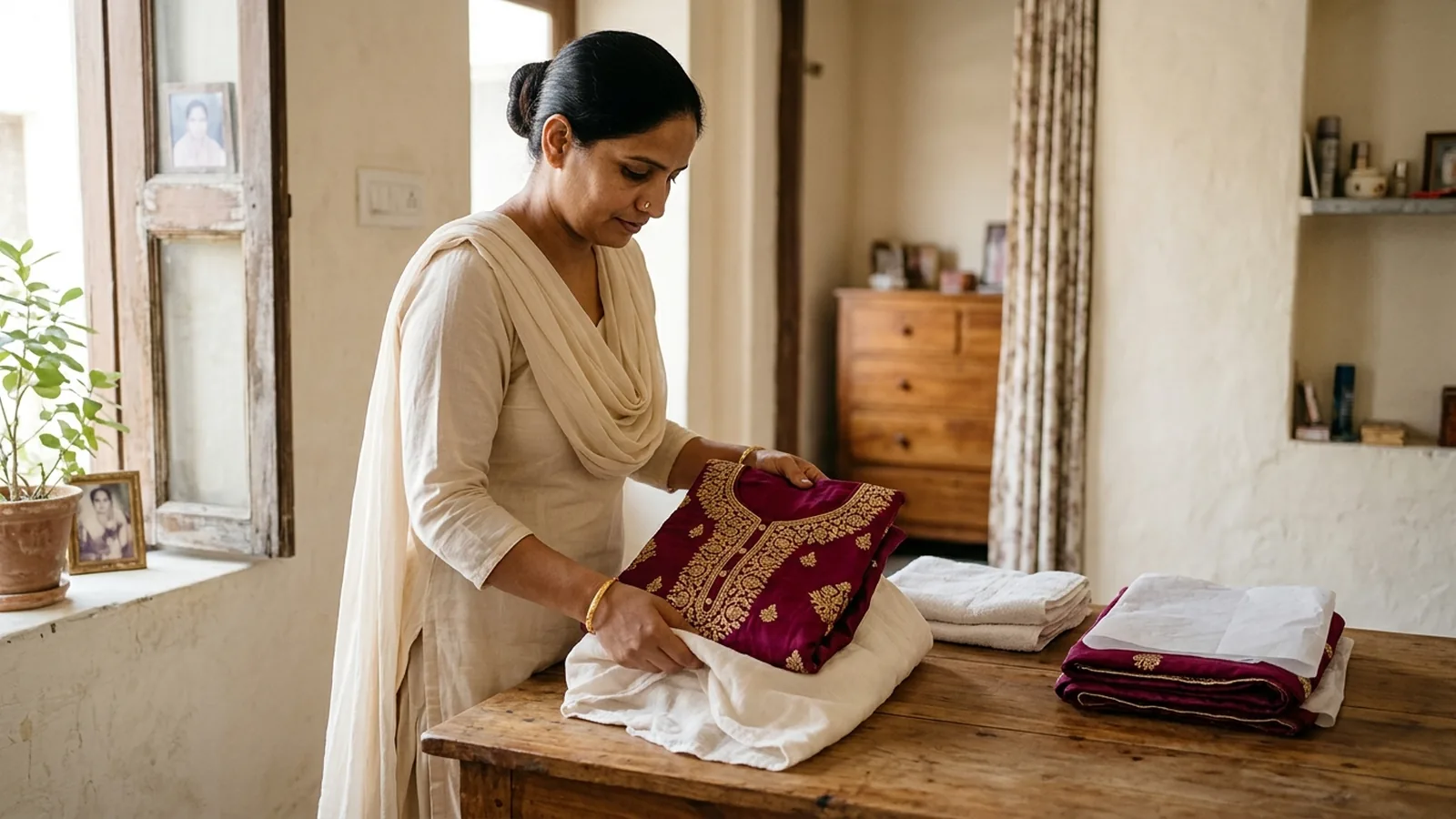
Learn how to wash embroidered suit fabrics safely, plus practical tips for ironing, drying, and storing so your threadwork stays bright.
A well-made embroidered Punjabi suit is something you want to enjoy for years—not just once or twice. Whether it is a breathable everyday cotton suit or a richly stitched silk, organza, or velvet outfit saved for celebrations, knowing how to wash embroidered suit pieces properly protects both the fabric underneath and the sheen of every thread.
Most damage to embroidered garments does not happen while wearing them; it happens during harsh washing, direct high-heat ironing, or cramped storage. With a few gentle habits, your threadwork will stay vibrant, smooth, and neat season after season.
Before You Wash: Check Fabric and Thread Type
Not every embroidered suit should go into water at home. Pausing for ten seconds to assess the fabric saves a lot of heartache later:
- Best left to gentle dry cleaning: Silk, raw silk, Banarasi, tissue, velvet, Pashmina, delicate organza, chinon, and suits with metallic or heavy multi-colour embroidery are safest with professional dry cleaning.
- Suitable for gentle hand washing: Everyday cotton suits—such as jaam cotton, cambric, and lawn—with clean, colourfast threadwork can usually be washed gently by hand at home.
Always Do a Quick Colourfast Check
Before washing a brightly coloured cotton suit or contrast embroidery for the first time, dampen a small hidden inside corner or hem edge with cool water and press it gently against a clean white cloth. If colour transfers onto the white cloth, take the suit for dry cleaning instead of soaking it at home.
How to Wash Embroidered Suit Pieces Gently at Home
When your cotton suit is safe for home washing, keep the process cool, brief, and gentle.
Use Cool Water and Mild Detergent
Fill a clean basin with cool or room-temperature water and dissolve a small amount of mild liquid detergent completely before placing the suit in. Never pour undiluted detergent directly onto embroidered areas, and avoid bleach, harsh stain removers, or strong fabric softeners that can dull thread lustre or weaken fine yarns.
Turn Inside Out and Avoid Scrubbing
Turn the kurta and bottoms inside out before washing so the embroidery stays protected from friction. Swish the fabric gently through the soapy water with your hands—do not soak embroidered pieces for long periods, as prolonged soaking increases the chance of colour bleed between contrasting threads and base cloth.
If there is a light mark on a plain area, pat it gently with your fingertips rather than rubbing with a brush or twisting the fabric. Rinse thoroughly in cool, clean water until no soap remains.
Press Out Water Without Wringing
Never wring or twist an embroidered Punjabi suit. Twisting stretches damp stitches, distorts neckline shapes, and leaves stubborn creases along embroidered borders. Instead, gently press water out with your palms, then lay the suit flat on a clean dry towel and roll the towel gently to absorb excess moisture.
Drying Without Fading or Stretching
Direct harsh sunlight can fade vibrant fabrics and dull bright embroidery threads over time. Dry your suit inside out in a shaded, airy spot.
For heavier embroidered kurtas, drying flat on a clean surface or draping evenly over a smooth drying rack helps prevent damp fabric from stretching at the shoulders. Avoid clipping tight wooden or metal pegs directly onto embroidered borders, as they can leave permanent dents or pull loose threads.
Ironing Embroidered Suits Safely
High direct heat is one of the fastest ways to scorch delicate fabrics or melt the glossy finish of embroidery threads.
- Iron from the reverse side: Always turn the suit inside out and press over the back of the embroidered sections using a soft, slightly cushioned ironing pad so the stitches stay plump rather than flattened.
- Use a clean pressing cloth: If you need to smooth the front side around a neckline or border, place a thin white cotton cloth between the iron and the embroidery.
- Match the heat setting to the fabric: Keep temperatures low for organza, chinon, tissue, silk, and metallic threads, and medium for cotton. For velvet, avoid pressing flat with a regular iron—light steaming from the reverse keeps the plush pile intact.
Smart Storage Between Seasons
Good storage keeps your suits looking fresh even months later:
- Store clean and completely dry: Even invisible perfume or perspiration spots can yellow or weaken fibres over time, so always clean and air out a suit before packing it away.
- Wrap in breathable cotton or muslin: Avoid long-term storage in sealed plastic bags, which trap moisture and dull metallic threads. Wrapping each festive suit in soft muslin lets the fabric breathe.
- Fold carefully along plain areas: Try not to crease directly across heavy embroidered motifs or structured necklines, and place tissue paper gently between folds on silk, velvet, or Banarasi pieces.
- Keep away from moisture and direct light: A cool, dry cupboard shelf protects both colour richness and thread strength.
Built to Be Worn and Loved
At Rai Designer, every women's suit pattern is designed in our own embroidery software and stitched on our own embroidery machine with careful tension and clean finishing so your threadwork holds up beautifully with gentle care.
If you have questions about caring for a specific fabric or would like to plan a new custom embroidered Punjabi suit, feel free to message us on WhatsApp at +91 6284623356 or visit raidesigner.com anytime. We are always happy to help.
care guide · embroidery care · punjabi suits · maintenance